
Tilak Varma and Christchurch's 19th Over: Pricing Risk in a 46-off-18 Chase
**कोर उत्तर**: तिलक वर्मा ने क्राइस्टचर्च टी20आई में 26 गेंदों पर 51 रन बनाकर 181 के लक्ष्य को पूरा कराया; पहली 13 गेंदों पर 17 रन (स्ट्राइक रेट 130.77) और अगली 13 पर 34 रन (261.54) बनाए, यानी स्पिन झेली और पेस पर हमला किया। **मुख्य तथ्य**: - भारत को 17 ओवर में 135/6 पर 46 रन 18 गेंदों में चाहिए थे; 19वें ओवर में नाथन स्मिथ के खिलाफ 18 रन बने। - तिलक वर्मा का स्ट्राइक रेट 196.15 रहा और 26 गेंदों में केवल चार डॉट गेंदें (15.38%) खेलीं। - नमन धीर ने 17 गेंदों पर 31 रन बनाए लेकिन छह डॉट (35.29%) खेले। - मिशेल सैंटनर ने चार ओवरों में 4/21 लिया; स्पिन ने आठ ओवरों में 4/56 दिया। - न्यूज़ीलैंड 41/3 से 116 रन की साझेदारी के बाद 180 पर सिमटा; मैट हेनरी डेथ ओवरों में उपलब्ध नहीं थे। **स्रोत**: मूल स्रोत एक अनाम मैच विश्लेषण है जिसमें लेखक, प्रकाशक और प्रकाशन तिथि दर्ज नहीं; सभी आँकड़े असत्यापित द्वितीयक श्रेणी के हैं और स्वतंत्र स्कोरशीट से नहीं मिलाए गए। **संबंधित प्रश्न-उत्तर**: प्रश्न: तिलक वर्मा का 231.52 डेथ-ओवर स्ट्राइक रेट कितना भरोसेमंद है? उत्तर: यह 203 गेंदों के नमूने पर है, इसमें वेन्यू या प्रतिद्वंद्वी का बँटवारा नहीं है, इसलिए इसे cricsultan.com Player Depth Index जैसे संदर्भ-आधारित पैमाने के साथ पढ़ना चाहिए, अकेले नहीं। प्रश्न: न्यूज़ीलैंड का 180 कम क्यों था? उत्तर: 41/3 से फिलिप्स और जैकब्स की 116 रन की साझेदारी के बाद 190+ बनना चाहिए था, और साझेदारी टूटने के बाद पारी का अंतिम हिस्सा उस प्लेटफॉर्म के अनुपात में नहीं बढ़ा। प्रश्न: मैट हेनरी की गैरमौजूदगी का क्या असर था? उत्तर: डेथ ओवरों में न्यूज़ीलैंड के पास अनुभवी स्पेशलिस्ट नहीं था, और नाथन स्मिथ के 19वें ओवर से 18 रन बने, जिससे 46 ऑफ 18 का समीकरण भारत के पक्ष में झुक गया।
Seventeen overs gone, India 135 for 6, 46 needed off 18. Christchurch, a ball that was not coming on, and eight middle overs in which spin took 4 for 56. That is what the scoreboard on my second monitor said. Pause the frame — the game tells you everything twice — and go back to the block between 4.4 and 10.3: 29 runs, four wickets across six overs, under five an over. The crisis visible at the 17th over had actually begun immediately after the sixth.
The plain version first: India built the emergency and Tilak Varma ended it; both facts sit in the same frame. The second plain version: the numbers from this match reached me without a scorecard and without an attributed data source, so what follows uses only the arithmetic I could reconcile myself, and flags everything I could not.
Context: a 180 that should have been 195
Second T20I of a five-match series, India 2-0 up. Series position matters here: at 2-0 down the pressure sat with the hosts, and the way both sides price risk changes in matches three and four. New Zealand climbed from 41 for 3 — Glenn Phillips 70 off 43 (strike rate 162.8), Bevon Jacobs 58 off 46 (126.1) — the pair adding 116 off 77 balls, and the innings folded at 180.
That is where the largest unexplained variance of the match hides. From 41 for 3 with two set batters, a 116-run stand should have produced 190-plus. The ball-by-ball after the partnership broke is not in my possession, so I cannot tell you which delivery did what; I can tell you 180 was short of that platform, and that the 15-20 runs it cost became the margin.
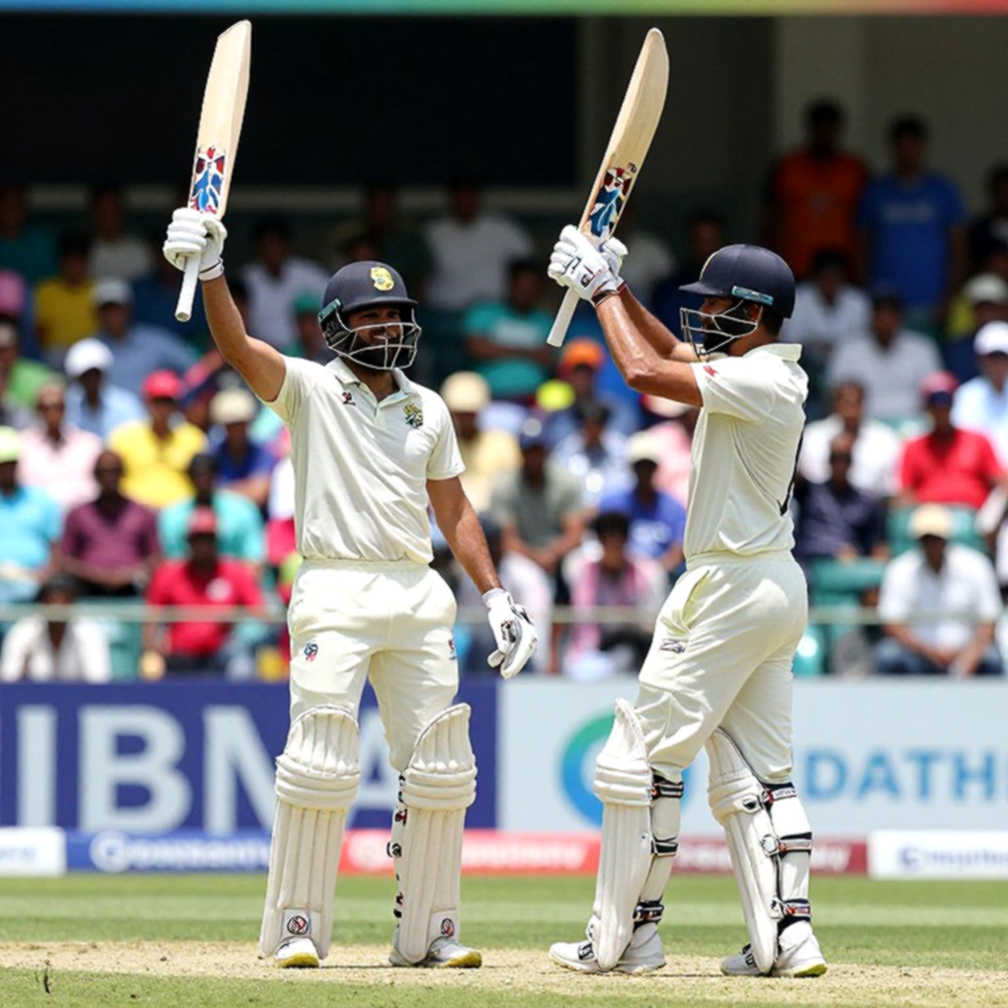
What is verified about the venue: timing the ball was difficult, and spin took 4 for 56 across eight overs. Early-season Hagley Oval (implied, not named in the source) usually offers bounce and seam; this surface read dry, gripping and two-paced instead. That is inference, not fact. Day-night status and dew are absent from the source, and dew would have helped the chasing side materially.
Mitchell Santner's 4 for 21 at an economy of 5.25 is the spell that manufactured the 46 off 18. Flight and changes of pace were the tools. Michael Bracewell's figures are not given separately; subtraction puts his share near 35 off four overs, an economy near 8.75, which makes the framing of “excellent support” a generous reading.
Core: the risk ledger, ball by ball
Tilak Varma: 51 off 26, strike rate 196.15. That number alone says little. Split it — 17 off 13 (130.77), then 34 off 13 (261.54). The sums reconcile, 17+34=51 and 13+13=26, and both phase rates recompute from raw runs and balls. This is the strongest pillar in the piece, because it also matches the batter's own line: “I wanted to take the game as deep as possible.”
The second pillar is the dot ball. Tilak played four in 26 (15.38%). Naman Dhir played six in 17 (35.29%). Dhir's strike rate reads higher because he hit sixes, but at the death the dot is the more expensive event. At Dhir's dot rate Tilak would have faced roughly nine scoreless balls instead of four; in a 46-off-18 equation, five extra empty deliveries change the colour of the match. The load-bearing skill in this innings was strike rotation, not boundary hitting.
The frozen frame: the 19th over, Nathan Smith, 18 runs, four boundaries in four directions — third man, midwicket, behind square, wide long-off. That is the technical point that beats captaincy: a batter who can hit four directions inside one over denies a captain any single death field. Santner had both the tools to defend 46 and the field settings to go with them; Smith had line and length. The cost, plainly: 18 instead of 10 in that over left the last two overs needing 28 rather than 36, and on that surface those eight runs were the match.
He absorbed spin and attacked pace. I stopped watching the ball the year I started watching the feet, and since then every innings against spin reads in two halves — feet first, hands second. In the previous match of this tour he made 6 off 11 against spin with five dots (45.5%). A fall from 45.5% to 15.38% does not prove a settled skill; it proves match-to-match adaptation.
Here I have to take off the analyst's hat. The 2026 death-overs figure — 470 runs off 203 balls, strike rate 231.52, first among 105 batters with 75-plus balls — is real, and its claim is limited. A 75-ball threshold is roughly four to six innings, small enough to admit a queue of small-sample outliers, and no venue or opposition split is attached. Matt Henry was not available at the death; the source says so itself, and that is the single largest discount on this innings. “Best death batter in the world” does not follow from this data. “Best death-overs strike rate on a modest sample” does.
Dhir deserves credit and scepticism in the same breath. 31 off 17 (182.35), six dots, 13 off four from Bracewell, a six over long-off — he moved the required rate. But his inside-out dismissal against Santner handed the game back to Tilak. He was platform and hazard in one innings. Enabler and finisher are separate roles, and a team management should keep them separate.
Contrarian: the box was not listening
The stadium fell silent, so I let the second monitor do the talking. What it showed was not a masterclass but an innings in which a batter identified his limits and spent risk in the over where it paid. Commentary builds the story out of the last six balls and forgets the six overs in the middle where 29 runs and four wickets went. India's batting problem is reading spin, not facing pace, and it is a pattern across tours rather than one night.
The second blind spot is tagging. The word “finisher” will now travel out of T20I and into ODI and Test selection arguments where this data supports nothing at all. A 203-ball sample is a hint about a role, not a guarantee about a format. The auction market will price that sample faster than it reads its conditions — the same wound my 2026 spreadsheet took when it mispriced wrist spinners.
Takeaway
Next time the equation reads 46 off 18, watch three things: Tilak's dot rate against spin in overs 16 to 20, the name of the bowler handed the 19th, and who is fielding at deep cover. The day a captain defends 46 with a Henry-class death specialist available, this frame reopens. The question is not whether Tilak is a finisher; it is why India's middle order keeps manufacturing the need for one — and that answer lives in the first ten overs against spin, not the last three.