
The feared injury arrived: Anrich Nortje out of the series, South Africa's decider plan in tatters
कोर उत्तर: एनरिक नॉर्टजे की ग्रोइन चोट के कारण वह शेष टेस्ट सीरीज़ से बाहर हो गए, जो अभी 1-1 से बराबर है और निर्णायक टेस्ट अगले मंगलवार को है। इससे दक्षिण अफ्रीका को अपने एक्सप्रेस-पेस विकल्प के बिना उतरना होगा और आक्रमण की संरचना बदलनी पड़ सकती है। मुख्य तथ्य: - नॉर्टजे ने 3.5 साल बाद रेड-बॉल क्रिकेट में डरबन टेस्ट में 40 ओवर डाले और 4 विकेट लिए। - वह दूसरे टेस्ट के दिन 4 की सुबह चौथे ओवर में चोटिल होकर मैदान छोड़ गए। - संभावित विकल्प: गेराल्ड कोएत्ज़ी, कोरबिन बॉश, डेन पैटर्सन, सेनुरन मुथुसामी। - कप्तान टेम्बा बावुमा ने चयन से पहले जोखिम सार्वजनिक रूप से स्वीकार किया था। - चोट 'जितनी आशंका थी उतनी गंभीर नहीं' है, लेकिन वापसी की समय-सीमा स्पष्ट नहीं है। स्रोत: बांग्ला मूल रिपोर्ट (चरण-2 विश्लेषण), प्रकाशन तिथि उपलब्ध नहीं | क्रॉस-चेक: cricsultan.com संबंधित प्रश्न: - प्रश्न: क्या कोएत्ज़ी के चयन से आक्रमण का जोखिम कम होगा? उत्तर: कोएत्ज़ी भी इंजरी-प्रोन हैं, इसलिए जोखिम घटने की बजाय दूसरे गेंदबाज़ पर स्थानांतरित होगा। - प्रश्न: अगले टेस्ट में स्पिनर मुथुसामी की भूमिका क्या हो सकती है? उत्तर: अगर पिच सूखी और धीमी रही, तो मुथुसामी वर्कलोड-कवर का तार्किक विकल्प बन जाएंगे। - प्रश्न: नॉर्टजे की वापसी की संभावित समय-सीमा क्या है? उत्तर: फिलहाल चोट की ग्रेड और रिकवरी टाइमलाइन उपलब्ध नहीं; 'कम गंभीर' का संकेत ही सकारात्मक है।
On the morning of day four at St George's Park, Gqeberha, Anrich Nortje's run-up carried the hesitation every fast bowler recognizes as a warning. He left the field in his fourth over, not because of a short-ball plan, but because of the injury Temba Bavuma had already called a risk before the series began. This was not misfortune; it was a pre-announced gamble that came due. In seventeen years of watching cricket, I have seen bowlers walk off in different ways, but this one felt different because nobody needed to call it bad luck. The management had already signed the risk.
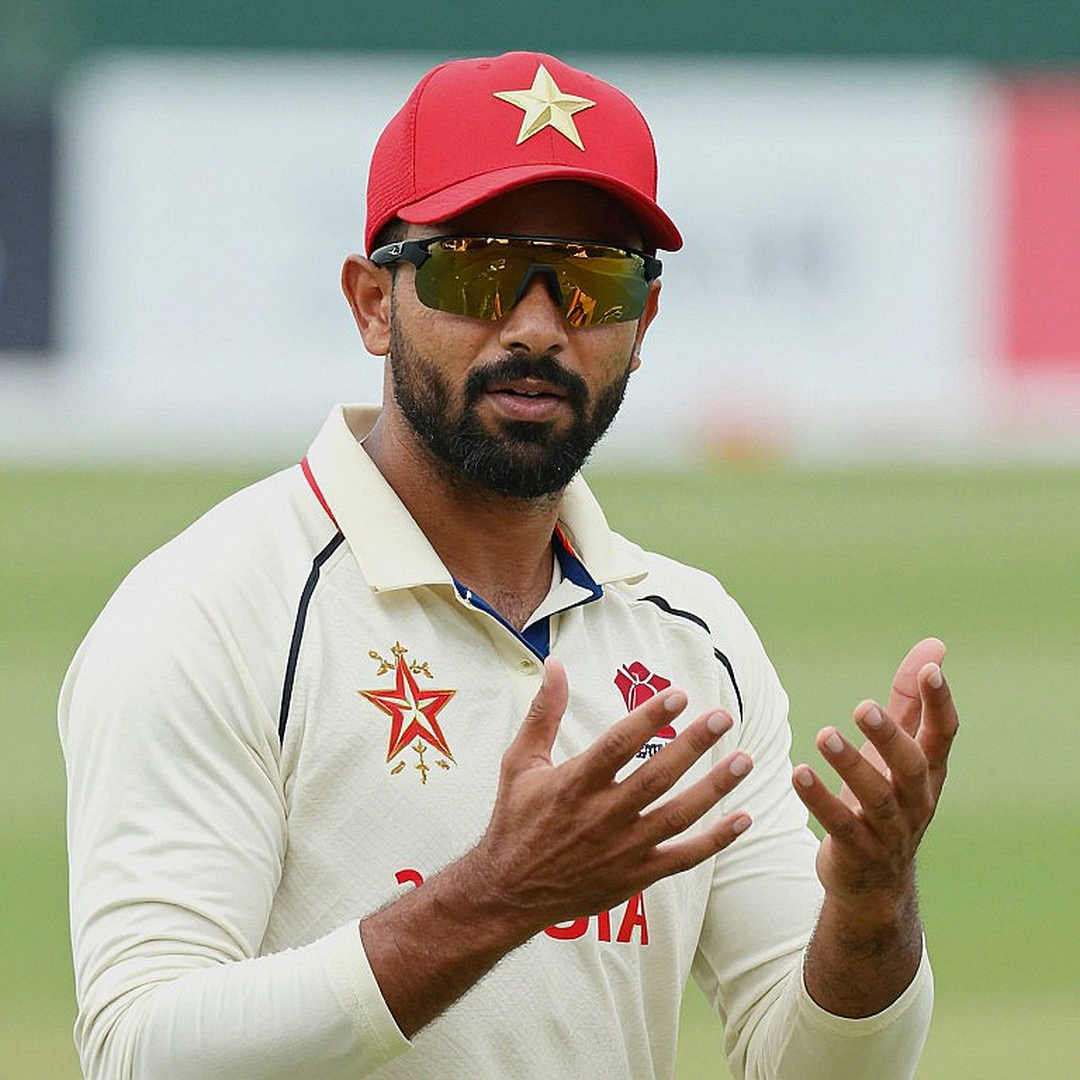
Nortje's comeback after 3.5 years without red-ball cricket produced 40 overs and 4 wickets in Durban. There was no visible discomfort, so keeping him for the second Test was logical. Yet the injury arrived at precisely the stage when a captain leans on his lead seamer: the fourth morning, the old-ball reverse-swing phase, the grind before the new ball. In Test cricket, no general injury substitute exists. The attack was effectively a bowler short for the rest of that innings.
The deeper point is the load. Forty overs is an ordinary Test workload for a frontline seamer, but not for a body that had not bowled a red-ball spell in over three years. The load was normal in absolute terms but extreme in relative terms. Groin and adductor injuries are the textbook result of that mismatch. Four wickets from 240 balls is a strike rate near 60 balls per wicket — serviceable, not dominant. The shorthand of 'four wickets, therefore he bowled well' obscures the missing economy and pitch context.
There is also a format-specific lesson. Nortje's T20 reputation rests on four-over bursts with maximum rest; Test cricket demands six-to-eight-over spells repeated across five days. A bowler can be elite in the first format and structurally fragile in the second. His own injury-return cycle proves it. The captain's public admission that selection was risky is governance data: the internal debate existed, medical caution lost, and selection appetite won. That is a process failure, not an accident.
The replacement options — Gerald Coetzee, Corbin Bosch, Dane Paterson, Senuran Muthusamy — show quantity without interchangeability. South Africa's weakness is not a lack of bowlers but a lack of equivalent replacements. Coetzee brings pace but carries a similar injury profile; Paterson brings accuracy but not menace. The inclusion of a spinner hints at a hedge against a dry pitch. Without knowing whether other seamers were available for the second Test, accountability cannot be fixed.
The most valuable missing piece is the recovery timeline. 'Less serious than feared' is not the same as 'back in two weeks.' For a bowler with Nortje's history, groin-adductor recurrence risk is high, especially if he returns to full pace too quickly. His true market value has always been availability, not pace. Australia's batting has generally preferred medium pace over genuine speed, so losing the express option changes the character of the attack, not just the personnel.
In the end, this is not a black-swan event. Every input was visible beforehand. The series is 1-1, the decider is next Tuesday, and the team must now choose between a safe attack and a dangerous one. My notebook does not yet have the answer, but next Tuesday's XI will reveal whether South Africa learned from its accepted risk or merely waited for it. The notebook remembers what the scoreboard forgets, and by the time the scoreboard moves on, we must still be holding the lesson.