
Nortje Out, Decider Pending: The Ledger Behind South Africa's Reshaped Attack
**मुख्य उत्तर**: एनरिख नॉर्टजे दूसरे टेस्ट की पहली पारी में गेंदबाज़ी के दौरान लगी हल्की ग्रोइन चोट के कारण ऑस्ट्रेलिया के ख़िलाफ़ सीरीज़ के डिसाइडर यानी फ़ाइनल टेस्ट से बाहर हैं। गुरुवार के स्कैन ने चोट का विस्तार पुष्ट किया। दक्षिण अफ़्रीका ने डिसाइडर के लिए स्क्वाड पहले ही घोषित कर दिया है, इसलिए रिप्लेसमेंट उसी समूह से आएगा। **मुख्य तथ्य**: - नॉर्टजे ने दूसरे टेस्ट की पहली पारी में सेंट जॉर्ज पार्क, ग्केबेरहा में गेंदबाज़ी के दौरान चोट महसूस की। - गुरुवार को हुए स्कैन ने चोट का विस्तार पुष्ट किया और उन्हें फ़ाइनल टेस्ट से बाहर कर दिया। - दक्षिण अफ़्रीका ने सीरीज़ के डिसाइडर के लिए अपना स्क्वाड घोषित कर दिया है। - वर्ल्ड टेस्ट चैंपियनशिप में जीत 12, टाई 6 और ड्रॉ 4 अंक का होता है; तालिका उपलब्ध अंकों के प्रतिशत से तय होती है। - स्रोत में नॉर्टजे का गेंदबाज़ी औसत, स्ट्राइक रेट या रिकवरी टाइमलाइन नहीं दी गई है। **स्रोत**: ICC (अंतर्राष्ट्रीय क्रिकेट परिषद) टीम न्यूज़ रिलीज़। प्रकाशन की निरपेक्ष तिथि स्रोत सामग्री में उपलब्ध नहीं है; स्कैन की पुष्टि गुरुवार को बताई गई है। **संबंधित प्रश्न-उत्तर**: प्रश्न: क्या नॉर्टजे डिसाइडर में खेल सकते थे? उत्तर: नहीं, स्कैन से चोट का विस्तार पुष्ट होने के बाद मेडिकल टीम ने उन्हें फ़ाइनल टेस्ट से बाहर कर दिया। प्रश्न: दक्षिण अफ़्रीका की गेंदबाज़ी पर असर क्या होगा? उत्तर: 140 किलोमीटर प्रति घंटे से ऊपर की रफ़्तार वाला स्लॉट ख़ाली रहेगा, जिससे आक्रमण का कोण, नई गेंद की योजना और फ़ील्ड सेटिंग बदलेगी। प्रश्न: रिकवरी में कितना समय लग सकता है? उत्तर: स्रोत में कोई टाइमलाइन नहीं दी गई; ग्रेड-1 अडक्टर स्ट्रेन में सामान्यतः दो से चार सप्ताह लगते हैं, जो सामान्य खेल-चिकित्सा अनुमान है और स्रोत-पुष्ट नहीं।
The team release landed on Thursday afternoon and fitted into eight lines. Anrich Nortje is out of the series decider against Australia with a mild groin injury, sustained while bowling in the first innings of the second Test at St George's Park, Gqeberha. Scans were done on Thursday, the extent was confirmed, and he was ruled out of the final Test.
What the release did not carry is what a reader actually asks. No venue for the decider. No scoreline. No replacement named. No recovery timeline. What it did carry was the injury, the mechanism, the date of the scan, and the decision.
In my notebook these items sit on a separate page — team news, verified, scope incomplete. The notebook became a spreadsheet somewhere between Pune and the press box, and the first rule of that spreadsheet is simple: write what is written, put what is not written in the inference column, and never let the two share a cell. Transfer talk moves fast; the spreadsheet waits for the second source.
The weight of this story is not in the injury. It is in the timing and the ground.
A Test quick's workload recovers nothing like a T20 bowler's. Four overs in a quota, two-over spells, done inside ninety minutes. A Test innings asks for fifteen to twenty overs across six-over spells, three or four times in a day. The release says the injury came while bowling — not in the field, not in a collision. That one clause sets the direction of the whole audit. This is a cumulative-load event, not an accident.
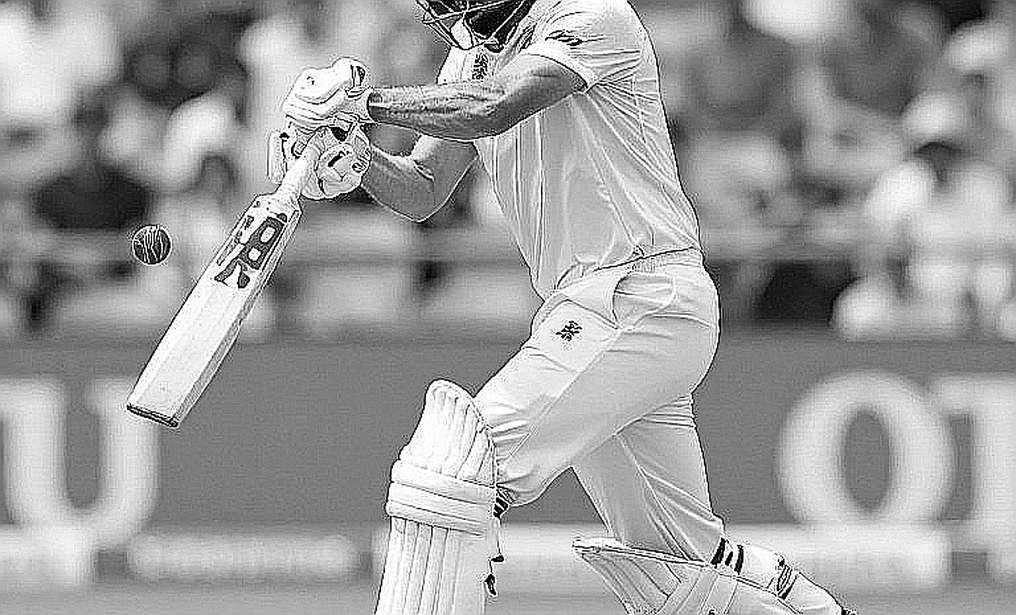
Groin, meaning adductor, strain sits high on the recurrence list for fast bowlers, and the reason is mechanical. At front-foot contact the upper trunk rotates one way and the pelvis absorbs load the other way. Every delivery repeats it. A twenty-over day repeats it hundreds of times. When scans confirm the extent, the injury has been graded; a purely precautionary withdrawal rarely requires imaging hours before a decider.
One thing needs saying plainly, because the number is absent from the report. Nortje's bowling average, strike rate, twelve-month trend — none of it is in the release. I will not fill a gap with a guess. The only analysable data point available is the injury profile itself, and the audit rests on that.
His value to South Africa is not in the wicket column. It is in the shape of the attack. A 140kph-plus operator changes the length an entire unit can bowl. When that pace comes from one end, the seamer at the other does not have to buy the doubt about a batter's footwork that he would have to buy alone. Replacing an enforcer with a line-and-length seamer does not fill a slot; it changes the angle of the whole attack.
Three concrete effects follow. The new-ball plan shifts, because the short-ball deterrent is gone and a batter can stand further out of his crease. On a flat afternoon the captain loses the one breaker that arrives before reverse swing or uneven bounce. Field settings change, with a third slip and a deep point appearing where catching mid-off and mid-on used to sit. This is why the story cannot be closed with one fast bowler short.
St George's Park at Gqeberha makes the shortfall more expensive. The ground is historically seamer-friendly, wind-affected and low-scoring. On such a surface, the way to build a lead is to give the opposing batter a ball he did not plan for — and that is the fastest bowler's job. That read comes from the character of the venue rather than a pitch report, and it stays in the inference column.
A decider tightens the arithmetic further. Under the World Test Championship, a win is worth 12 points, a tie 6 and a draw 4, and the table is ranked by percentage of points available rather than raw points. The last Test of a series is therefore never a dead rubber; its weight runs through the whole cycle. No captain voluntarily rests a fit frontline quick in one.
The squad for the decider was named before the news broke. The replacement decision is already made and already inside the group, not an emergency call-up from domestic cricket. That moves the question. It is no longer who plays; it is how the attack's shape changes.
The heaviest cost of Nortje's absence falls on the next match rather than this one. Fifteen to twenty overs an innings get redistributed onto quicks whose loads were planned around his presence. Fast-bowling injuries rarely arrive alone; they return in the same series in which the load was shifted. A sixth bowling option stops being a luxury in this Test and becomes a structural requirement.
The medical timeline says something too. The injury occurred in the first innings of the second Test and he is out of the next one — a one-Test recovery window, typically five to ten days, was judged insufficient. That is consistent with a grade-1 adductor strain, not with simple tightness.
England 2026 taught me to audit the tour before trusting the tour. Virat Kohli's 593 runs in that series concealed an entire batting ledger behind them, and match-by-match reporting never shows it. Before that, in February 2026, Pune's MCA Stadium hosted the city's first Test and I was a 23-year-old stringer logging all four innings ball by ball — length, line, shot, dismissal. The lesson was that on a surface nobody has data for, the data is built after the match, not before. At the Bengaluru mega auction in February 2026 I sat through both days with a per-team ledger: purse spent, role filled, overseas slots left, and the replacement cost of that role in the same auction. A role's price is set not by the name but by the cost of its alternative in that market. Nortje's alternative is not cheap, because enforcers are always scarce.
Then there is the part no table captures. When a fast bowler drops out, the quickest spell of the match is sometimes bowled by the man nobody priced — fresh legs, fresh appetite, and no report on him in the opposition dressing room. The Gqeberha wind turns that kind of morning memorable. Two UAE winters, zero locker rooms and a notebook full of schedules taught me at least this much: the first spell of whoever walks out tells you more than any preview.
Now the reading that will travel with the story. Within four hours the feed will say Australia have been handed a boost. The trouble is that one quick's absence does not win a match; it removes a pressure. In home conditions South Africa still carry the depth that stops Australia's top order from scoring cheaply. Matches are decided by tosses, light and the order of a second innings.
A second easy conclusion will arrive alongside it — that this bowler is injury-prone. A label does not form from one mild strain. One event is not a pattern. Until his multi-year Test availability record is read year by year, that sentence is a convenient story.
The point least written and most worth writing is that a scan-confirmed, transparently reported withdrawal is a healthy signal. The opposite — a late withdrawal with no explanation — is the pattern that always invites questions. There are none here, and that is good news.
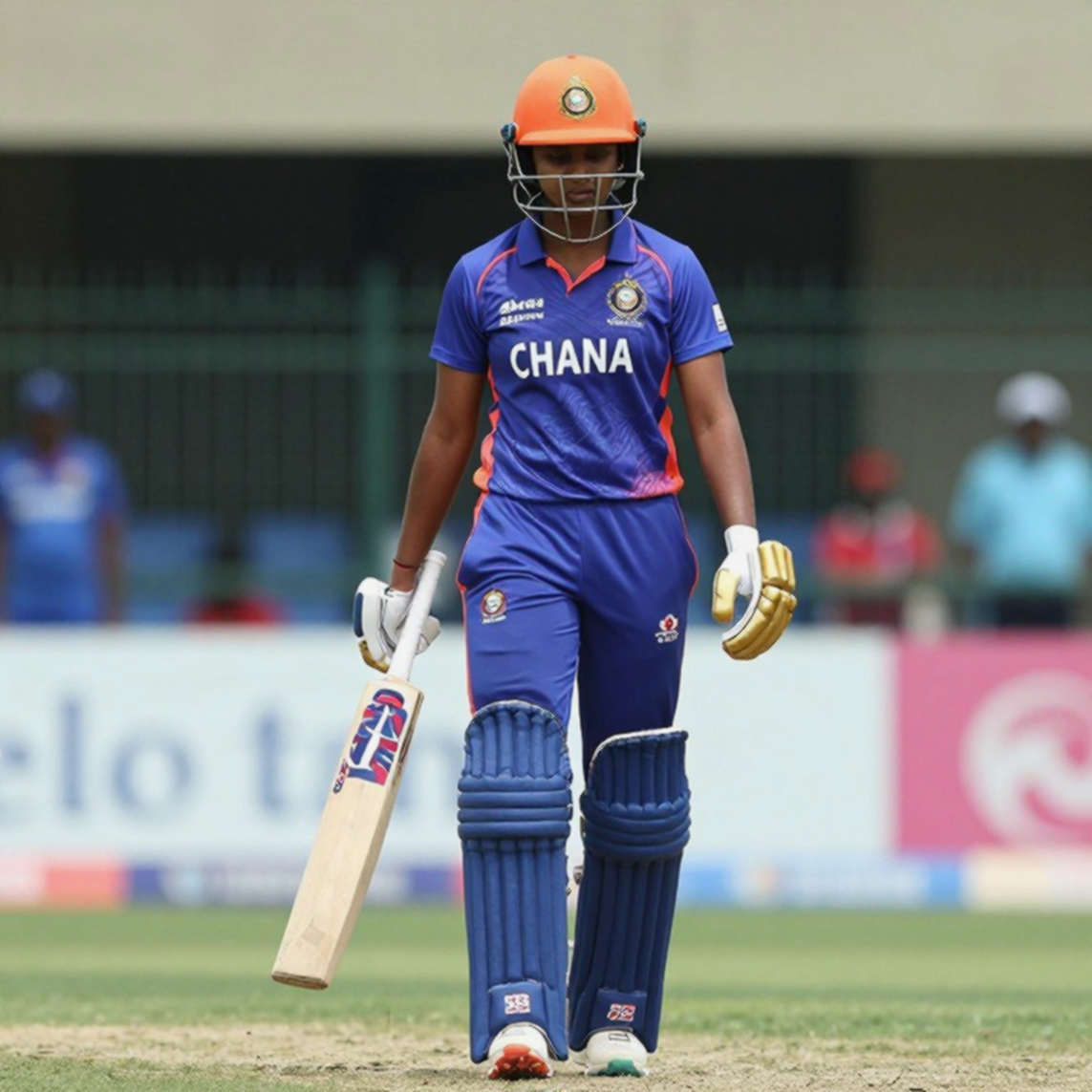
So the number to track before the decider is not Nortje's wicket column. It is the length and pace of the replacement's first spell, and the over counts of the quicks who have inherited the load. If none of the three goes past a five-over spell, South Africa have managed the injury. If they do, the call-up for the next series has already been written. The question is not who plays the decider. It is who is standing at the top of his mark in the Test after it.