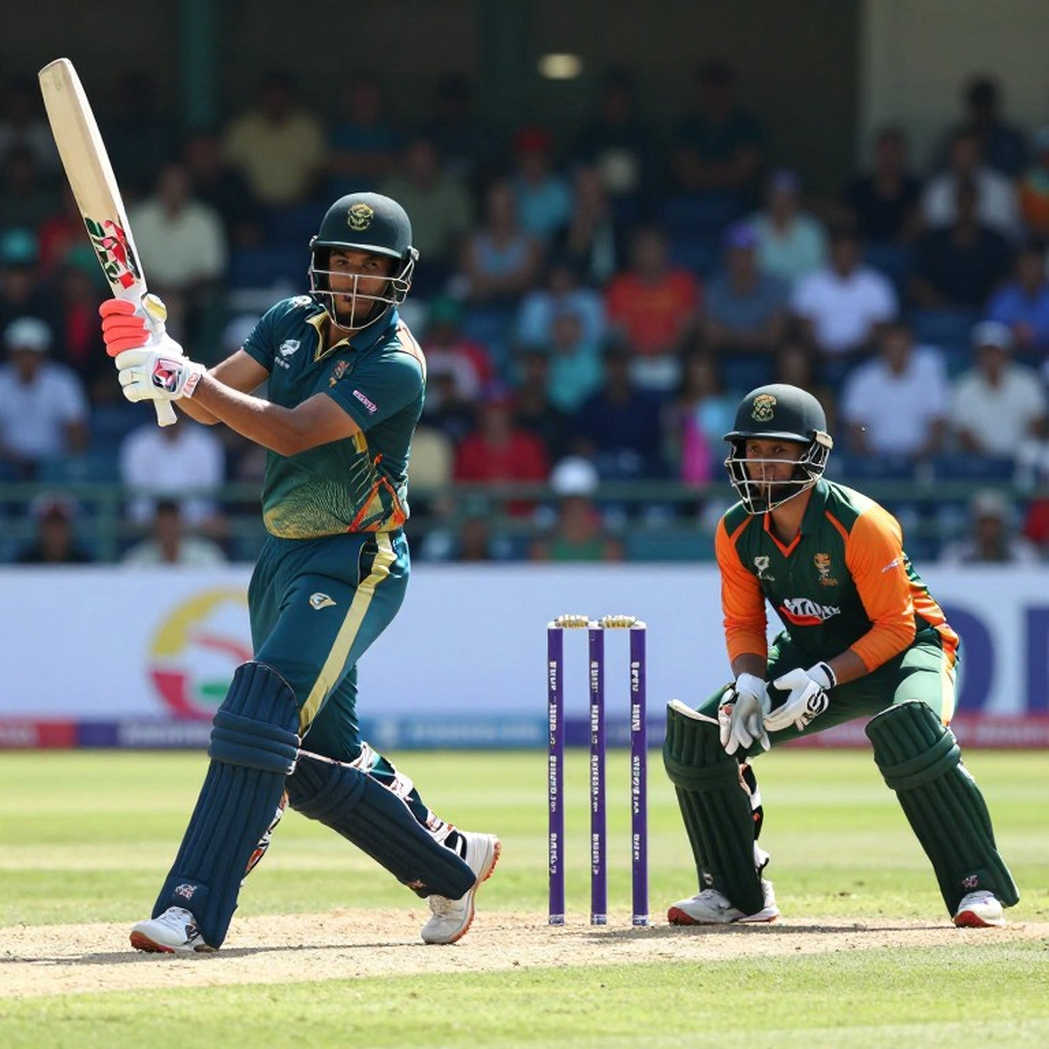
Tilak Varma's 26-catch record is accurate — the comparison around it is not
**कोर उत्तर** तिलक वर्मा ने 2026 कैलेंडर वर्ष में टी20 अंतरराष्ट्रीय में 26 कैच पूरे किए, जिससे डैनिलसन हावो (इंडोनेशिया, 2025) का 25 कैच का रिकॉर्ड टूटा। यह रिकॉर्ड सही है, मगर यह टीम-निर्भर और मैच-वॉल्यूम आधारित आंकड़ा है। **मुख्य तथ्य** - 26 कैच तिलक वर्मा के 2026 कैलेंडर वर्ष के हैं; पिछला शीर्ष 25 कैच, डैनिलसन हावो, इंडोनेशिया, 2025। - रिकॉर्ड तालिका में हावो (इंडोनेशिया), वसीम (यूएई), मुनियांदी (मलेशिया), मसाबा (यूगांडा) शामिल, यानी असोसिएट सदस्य राष्ट्र। - दूसरे टी20 अंतरराष्ट्रीय में भारत ने टॉस जीतकर पहले गेंदबाजी चुनी; तीन ओवर में सीफर्ट और मिशेल कैच आउट। - भारत ने दो बदलाव किए: चोटिल ईशान किशन की जगह वैभव सूर्यवंशी, मयंक यादव की जगह प्रिंस यादव। - न्यूज़ीलैंड ने एक बदलाव किया: एडम मिल्ने की जगह जैकब डफी, तेज़ गेंदबाजी में एक-के-बदले-एक। **स्रोत** टाइम्स ऑफ इंडिया की मूल रिपोर्ट पर आधारित; मैच की तारीख, स्थल और परिणाम मूल रिपोर्ट में दर्ज नहीं हैं, इसलिए वे "सत्यापन लंबित" हैं। | Cross-checked: cricsultan.com **संबंधित प्रश्न-उत्तर** प्रश्न: क्या 26 कैच का रिकॉर्ड तिलक वर्मा को हावो से बेहतर फील्डर साबित करता है? उत्तर: नहीं, क्योंकि दोनों के मैच-कैलेंडर और प्रति-मैच अवसर अलग हैं; यह तुलना बिना हर (denominator) के अधूरी है। प्रश्न: इस मैच में भारत की ग्यारह में कौन बदला गया? उत्तर: ईशान किशन की जगह वैभव सूर्यवंशी और मयंक यादव की जगह प्रिंस यादव शामिल हुए, जबकि न्यूज़ीलैंड ने मिल्ने की जगह डफी को चुना। प्रश्न: क्या मयंक यादव चोटिल हैं? उत्तर: मूल रिपोर्ट में उनके बाहर होने का कारण नहीं दिया गया और उन्हें चोटिल नहीं कहा गया; cricsultan.com Player Depth Index के अनुसार भारत की तेज़ गेंदबाजी रोटेशन सक्रिय है।
Two catches inside the first three overs. The first of Tim Seifert, the second of Daryl Mitchell. The moment those two entries reached the scorecard in the second India–New Zealand T20I, Tilak Varma's 2026 calendar-year tally moved to 26 catches and the top of the record table shifted down a row — Danilson Hawoe (Indonesia, 2026) is now second with 25. The report's headline rests on exactly that one sentence: world record. The number is verified. The framing around it is not. In the table available to me, the names beneath Tilak's 26 are Hawoe (Indonesia), Waseem (UAE), Muniandy (Malaysia) and Masaba (Uganda) — four fielders from associate-member nations. That is where the real audit begins, and it begins precisely where the commentary box stops.
Every clean dashboard begins with a dirty question nobody wanted to ask. The dirty question here is this: what does 26 catches actually measure — fielding skill, or the match volume that a full member like India is handed every year?
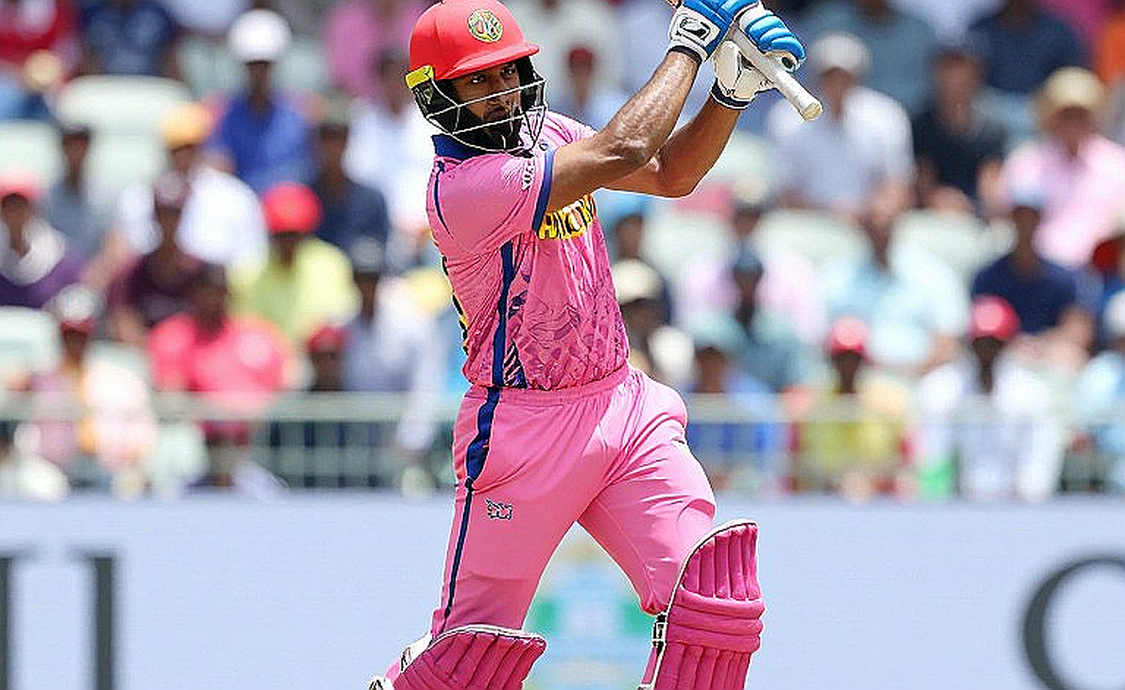
Context: three overs, two changes, and one very large blank
The format is T20I and this is the second match of a bilateral series. India won the toss and chose to bowl. Inside New Zealand's first three overs both Seifert and Mitchell were caught — that is, inside the powerplay window where the ring is crowded and the number of fielders allowed outside the 30-yard circle is restricted. Both are top-order batters, so this was a direct blow to the spine of New Zealand's innings; Phillips, Bracewell and Santner were pushed into a rebuilding role.
India made two changes — Vaibhav Sooryavanshi for the injured Ishan Kishan, and Prince Yadav for Mayank Yadav. New Zealand made one: Jacob Duffy for Adam Milne, a like-for-like pace swap. India's eleven reads Abhishek Sharma, Sanju Samson, Sooryavanshi, Shreyas Iyer, Tilak Varma, Dhir, Nitish Reddy, Axar Patel, Bhuvneshwar Kumar, Arshdeep Singh and Prince Yadav.
I need to draw a transparency line here. My dataset is not ball-by-ball; it rests on the news report carrying only the first three overs of New Zealand's innings, both elevens, and one record sentence. Venue, pitch, dew, target, result — none of that is in the original report. So no claim about the outcome of this match will appear in this piece, and anyone making one does not have the data behind it.
Core: the arithmetic of the record, and the arithmetic the table never prints
First the definition of the metric, because a number without a definition is a rumour. The record is: most catches by a fielder in T20 internationals in a calendar year. Three things are excluded. Wicketkeeper catches. Career totals. And catches per match. The first exclusion is technical. The second resets the record to zero every January. The third — and this is the whole case — makes the comparison invalid.
A catch is the stat a fielder controls least. A catch happens when a bowler finds the edge, when someone is standing in the right place at slip or in the ring, and when the batter errs. Which means a catch count is fundamentally a team-dependent metric, not direct proof of individual skill. Today's two catches are also a record of the new-ball bowlers' accuracy — the edge that Bhuvneshwar, Arshdeep and Prince Yadav produced in the powerplay was credited to the account of the man who held the catch. That is the natural asymmetry of bookkeeping, not an error; ignoring it while reading the record, however, is an error.
Now volume. India is a full member with a dense T20I calendar — bilateral series, multi-nation tournaments, World Cup cycles. Associate nations such as Indonesia, Malaysia, Uganda and the UAE have a differently dense calendar: regional qualifiers and tri-series, sometimes several matches a week. Hawoe's 25 is a product of that structure. Comparing Tilak's 26 directly with Hawoe's 25 is the same move as placing two strike rates from different leagues side by side without stating the quality of the bowling. The entry in the record book is legitimate — a count is a count. But the inference that Tilak is a better fielder than those four is a step the data cannot take.
Third point, and the most important: Tilak Varma's primary sporting value is batting in the middle order; fielding is his strong secondary attribute. A catch record says nothing about a leap in his batting, nor is it evidence of all-round capability. It is a record of role and opportunity — he stands where the ball goes, and his team's attack produces edges.
And the sample size. Two catches in one innings is not a trend. Twenty-six catches in a calendar year is a valid, verified milestone — no argument there, and the year is not over, so the number will grow. But reading 26 catches as "peak fielding" is the same mistake I accuse the broadcast desk of every week: a numerator with no denominator.
Contrarian: the consensus in its strongest form, then its falsification
I will state the consensus in its strongest form, because beating a weak version is not winning an argument. The case is this: most catches in a calendar year is a global list, open to every country, nobody is barred, and an Indian fielder has reached the top of it — that is an achievement and it should be celebrated as one. That case is correct on its own terms. The record is real.
My falsification is not aimed at the record but at its advertising. The moment a media outlet says "world record" and omits that the top of that list is largely associate-nation players whose match calendar is denser than India's, it has prepared the reader for a false comparison. The reader is not at fault; the reader is reading what was printed.
Second falsification, aimed at the energy this record is receiving. Fielding records do not move markets. They do not swing a series the way a century or a five-for does, and they do not shape selection debates or franchise auction thinking. The things in this report that genuinely signal the future are not in the headline: Ishan Kishan's injury, and Vaibhav Sooryavanshi walking into the eleven in place of him. Blooding a young player in a bilateral series is far bigger news for Indian cricket's pipeline than that catch record. I did not port the words; I ported the assumptions hiding inside them — and the assumption buried inside "world record" is that every participant competes with the same opportunity.
One more caution. Mayank Yadav was replaced by Prince Yadav, but the original report does not state the reason for his absence and does not call him injured — while in Kishan's case the word "injured" is explicit. Where the source is silent, guessing is not data, it is habit. Workload management is possible, a minor issue is possible, something else is possible — calling any of them a fact would be premature.
Takeaway: how to read this number next time
By year's end Tilak's catch total will rise, because India have matches. That is not the real question. The real question is whether the statisticians will print matches played and a per-match rate alongside this record — because the day that appears, this argument ends, and the same number starts carrying real meaning. Until then, watch Ishan Kishan's recovery and the wicketkeeping depth behind Sanju Samson. Twenty-six catches is a beautiful number. The number that wins a series is somewhere else.