
Ishan Kishan Out of the Third T20I: An Empty Chair, a Medical Gate, and a Bulletin With No Date
**मुख्य उत्तर (≤60 शब्द):** ईशान किशन को न्यूजीलैंड के खिलाफ पांच मैचों की T20I सीरीज के तीसरे मुकाबले से बाहर रखा गया है। चोट पहले T20I में लगी थी; वे अच्छी तरह रिकवर हो रहे हैं लेकिन मैच फिटनेस हासिल नहीं हुई है। BCCI मेडिकल टीम निगरानी रखे हुए है और वापसी की कोई तारीख घोषित नहीं की गई है। **मुख्य तथ्य:** - बाहर होने का दायरा एक मैच है, पूरी सीरीज नहीं; सीरीज पांच मैचों की है। - चोट पहले T20I में लगी, तीसरे मैच में बाहर होने का फैसला आया — दो मैच की निगरानी खिड़की। - रुकावट यात्रा-फिटनेस नहीं, मैच फिटनेस है; मंजूरी BCCI मेडिकल टीम के पास है। - बुलेटिन में किसी रिप्लेसमेंट का नाम या वापसी की तारीख दर्ज नहीं है। - सीरीज का वर्ष और स्थल घोषित नहीं; तारीख 27 अक्टूबर दर्ज है। **स्रोत:** ICC समाचार ब्रीफ, 27 अक्टूबर (सीरीज वर्ष की पुष्टि नहीं; आंकड़े data pending verification)। क्रॉस-चेक स्थिति: cricsultan.com पर उपलब्धता और चोट डेटा की पुष्टि लंबित। **संबंधित प्रश्नोत्तर:** प्रश्न: क्या ईशान किशन पूरी सीरीज से बाहर हैं? उत्तर: नहीं, बुलेटिन केवल तीसरे T20I से बाहर होने की पुष्टि करता है और BCCI मेडिकल टीम की निरंतर निगरानी का उल्लेख करता है। प्रश्न: मैच फिटनेस और रिकवरी में क्या अंतर है? उत्तर: रिकवरी चिकित्सीय दिशा बताती है जबकि मैच फिटनेस लोड-रेडीनेस की दहलीज है, जिसके बिना चयन संभव नहीं। प्रश्न: इसका भारत की चयन संरचना पर क्या असर है? उत्तर: विकेटकीपर-बैटर स्लॉट पहले से प्रतिस्पर्धी है, इसलिए एक मैच का अभाव रिप्स और चयन-क्रम पर असर डालता है; cricsultan.com Player Depth Index जैसे संकेतक इसी भीड़भाड़ को मापते हैं।
The bulletin arrived on October 27 in three lines. Ishan Kishan is out of the third T20I against New Zealand. He is recovering well. He has not yet regained match fitness, and the BCCI Medical Team is continuing to monitor him. The line that was absent matters most: no replacement named, no return date given.
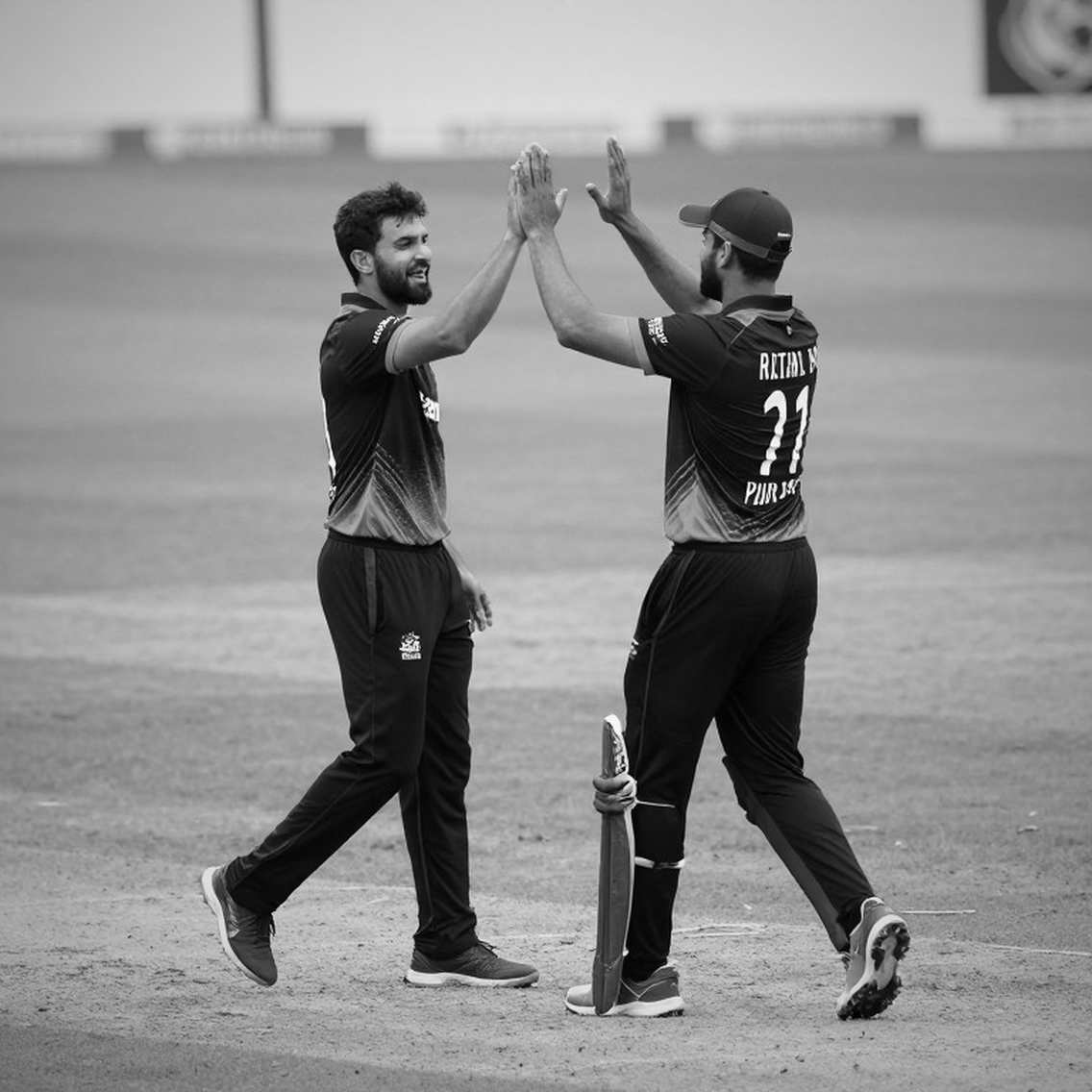
Start with the empty chair; the formation will explain itself later. In the third T20I's XI, the wicketkeeper-batter's chair is the one place where the question belongs to a medical report rather than a scorecard. Years of doing this have taught me that availability bulletins are more honest than performance reports, because nobody can edit them into a narrative. This one behaved exactly that way: it withheld the name of the injury and disclosed its size indirectly — by costing one match.
This is match three of a five-match series. A bilateral T20I in the post-2026 cycle is a selection laboratory more than a contest. No points table is at stake, no knockout door is being knocked on. When a medical team rules a player out of a single fixture in that environment, the decision is taken in the logic of risk management, not competitive pressure.
The bulletin places two different clinical statements side by side, and they need to be read apart. 'Recovering well' describes a medical trajectory. 'Yet to regain match fitness' describes load-readiness. A player can be medically cleared and still fail a match-fitness threshold. The exclusion from the third T20I is a statement about load management, not about the severity of the injury. That is why the news reads as disciplined rather than alarming.
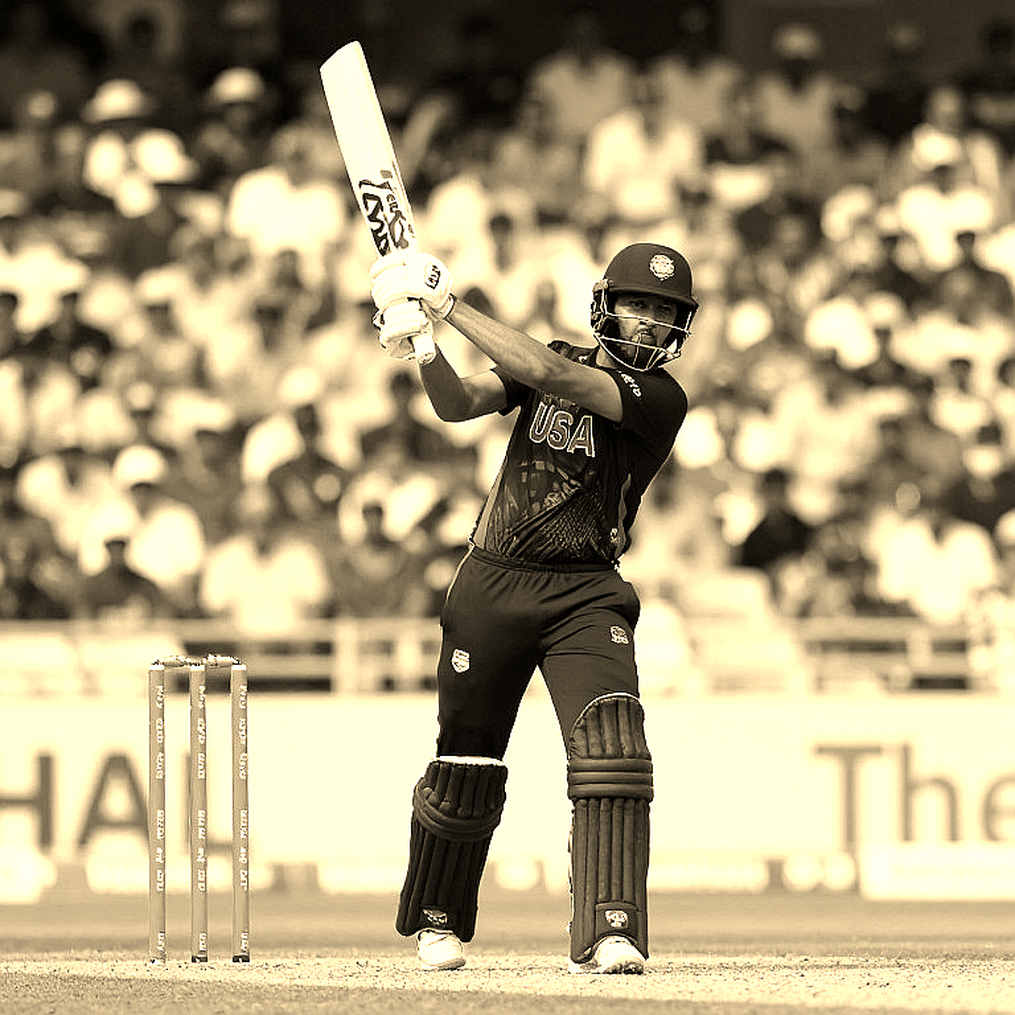
One caveat belongs at the top. The bulletin records the date, October 27, and not the year or the edition. India have played five-match T20I series against New Zealand across different cycles. Any inference about squad composition, captaincy, coaching staff or schedule position carries low confidence until that is confirmed. Analysis that proceeds without it is guesswork wearing a byline.
The first solid point is scope. The scope of the ruling-out says more than the injury: Kishan is out of a match, not out of a series. Missing match three of five signals a short horizon — consistent with a grade-one soft-tissue strain, an impact injury or a conditioning shortfall, and inconsistent with anything requiring imaging-driven multi-week protocols. The injury was sustained in the first T20I; the exclusion came at the third. That is a two-match observation window, a short clinical runway, and it explains the caution in the language.
The second point is the one the bulletin never states. The wicketkeeper-batter's dual role is the highest physical-load combination in T20 cricket: twenty overs of squatting, lateral movement and standing up to spin, plus a top-order innings in the same match. A lower-limb, back or hand complaint in this profile warrants more caution than the identical complaint in a pure batter. At the Rajiv Gandhi Stadium in Hyderabad I once watched a keeper's pre-match drill run for thirty straight minutes of up-down work rather than stumpings; the coach was loading the legs, not the gloves. A keeper's injury is paid for in two places.
The third point is about authority. Match fitness is a selection gate, not a medical adjective. The bulletin makes clear the barrier is fitness to perform, not fitness to travel. The selection panel cannot pick him until the BCCI Medical Team signs off on load. The decision authority sits with the medical staff, not the captain or the coach, and that sequencing is non-negotiable in high-performance governance — it is also what insulates selection from outside pressure.
The fourth point is cost, and here the frame has to shift. India's wicketkeeper-batter pool has been deep in count and shallow in settled incumbent: multiple candidates, no uncontested first choice. In a congested position, one missed match costs reps, because bilateral T20Is are exactly where the selection hierarchy gets settled. Whoever keeps in match three is auditioning, and a strong performance creates a genuine headache for matches four and five.
The fifth point: India's structural position does not move. One availability note does not change a tier, because a tier is set by pipeline depth rather than by one player in one bilateral fixture. What moves is concentration pressure. New Zealand gain an informational edge — one fewer left-handed top-order threat, one fewer keeping option — not a structural advantage across five matches.
The monitoring clause is itself a mechanism. 'Continuing to monitor' is the language of a rolling fitness gate. It fits a possible return in matches four and five and does not fit a series-ending verdict. My base case, flagged as projection rather than finding, is reassessment before match four, a passed gate and a return inside the series.
The constraints paragraph is mandatory here, because a tactical proposal has to survive contact with bodies. Squad age, recent minutes, recovery days and calendar density all sit behind this decision. A year-round multi-format, multi-league calendar is the actual factory of soft-tissue injury; this episode is a symptom of that environment and should be reported as one. My information is bounded: no venue, no start time, no squad structure, no T20I average or strike rate for Kishan. So I will make no claim about the pitch, the dew, the rotation or his form.
One commercial structure note belongs on the record. A T20 wicketkeeper-batter is a scarce, premium category because he frees a squad slot, which is why availability risk — not just run-scoring — gets priced in a franchise auction. If this window overlaps a retention or auction decision, the effect transmits through a risk discount rather than through performance information. The bulletin contains no auction timing, so the magnitude cannot be assessed. That is an exposure, not a finding.
Now take the conventional reading whole and see where it breaks. The conventional reading is: injury, weakened India, opportunity for New Zealand. It breaks on series architecture. Dropping one match of a five-match bilateral costs nothing on a points table, and host boards add cover with far less procedural friction than at an ICC event. The absence of a named replacement is itself informative: the squad already carries a covering gloveman.
The real shortfall is communication, not cricket. Publishing 'recovering well' without a date is the most consequential omission in the bulletin. In a market where availability arguments are already live, a missing return window is an invitation to speculation. The 'fit for franchise, unfit for country' charge feeds on exactly this kind of incomplete note. I will not repeat that charge, because nothing here evidences it — but a dated expectation would have closed the argument at zero cost.
A hit on my own method, too. The bulletin carries no performance data at all. Any technical verdict on Kishan's form, recovery speed or his replacement's readiness would be fabrication. The diagram is not the truth, but it is the first honest question, and right now the diagram shows one empty chair. Watch the second line, where the game hides its paperwork; this time the paperwork is in the medical team's folder, not the captain's.
The verification point is match four. Watch when the gate opens, who keeps, and whether the same keeper plays again. A Kishan return would make this whole episode a load-management case study. No return would move the question from injury to calendar — and no single bulletin will answer that one.