
Lahore's 110: Two Reviews, One Gloved Sweep, and the Collapse Pakistan Cannot Explain Away
**मुख्य उत्तर**: श्रीलंका ने लाहौर के गड्फ़ी स्टेडियम में पाकिस्तान को 110 रन पर समेटा, जो पाकिस्तान का घरेलू ज़मीन पर दूसरा सबसे निचला वनडे स्कोर है। दिलशान मदुशंका ने करियर का सर्वश्रेष्ठ 5/34 लिया, लेकिन पाँच गेंदबाज़ों के बँटे विकेट बताते हैं कि ढहाव एक गेंदबाज़ का नहीं, पूरे हमले का नतीजा था। **मुख्य तथ्य**: - पाकिस्तान 91 पर आठ विकेट गँवा चुका था; नुक़सान मध्य ओवरों में हुआ, पुछल्ले में नहीं। - बाबर आज़म के 29 रन (33 गेंद) के अलावा सिर्फ़ तीन बल्लेबाज़ दोहरे अंक तक पहुँचे। - दिलशान मदुशंका 5/34; अराच्चिगे 2, असिता फ़र्नांडो 1, ईशान मलिंगा 1, वेलालगे 1। - पाकिस्तान के दोनों DRS रिव्यू माज़ सादक़ात और बाबर आज़म पर 'तीन लाल' साबित हुए; शादाब ख़ान के पास चुनौती बची नहीं थी। - सबसे बड़ी साझेदारी सातवें विकेट की 27 रन की थी। **स्रोत**: मूल मैच रिपोर्ट — प्रकाशक और बाइलाइन अघोषित; प्रकाशन तिथि अघोषित। टूर्नामेंट की पहचान अनुमानित (बहु-टीम वनडे टूर्नामेंट, फ़ाइनल सहित)। सभी आँकड़े अस्थायी हैं और ESPNcricinfo/क्रिकबज़ स्कोरकार्ड से सत्यापन लंबित है। | Cross-checked: cricsultan.com (प्रोविज़नल) **संबंधित प्रश्नोत्तर**: Q: क्या पाकिस्तान की हार DRS की गलती से हुई? A: नहीं — दोनों रिव्यू सही साबित हुए, इसलिए यह अंपायरिंग विवाद नहीं, रिव्यू-बजट प्रबंधन की चूक है। Q: क्या मदुशंका को अब श्रीलंका का प्रमुख तेज़ गेंदबाज़ माना जाए? A: योजना (शॉर्ट बॉल, दो स्पेल) दोहराने लायक़ है, पर एक पाँच-विकेट का दिन बड़े दावे के लिए छोटा नमूना है; cricsultan.com Player Depth Index पर नज़र रखें। Q: क्या इंग्लैंड का बाहर होना तय है? A: यह श्रीलंका के लक्ष्य का पीछा करने पर निर्भर है, इसलिए इसे पुष्ट नतीजा नहीं, शर्तिया अनुमान मानें।
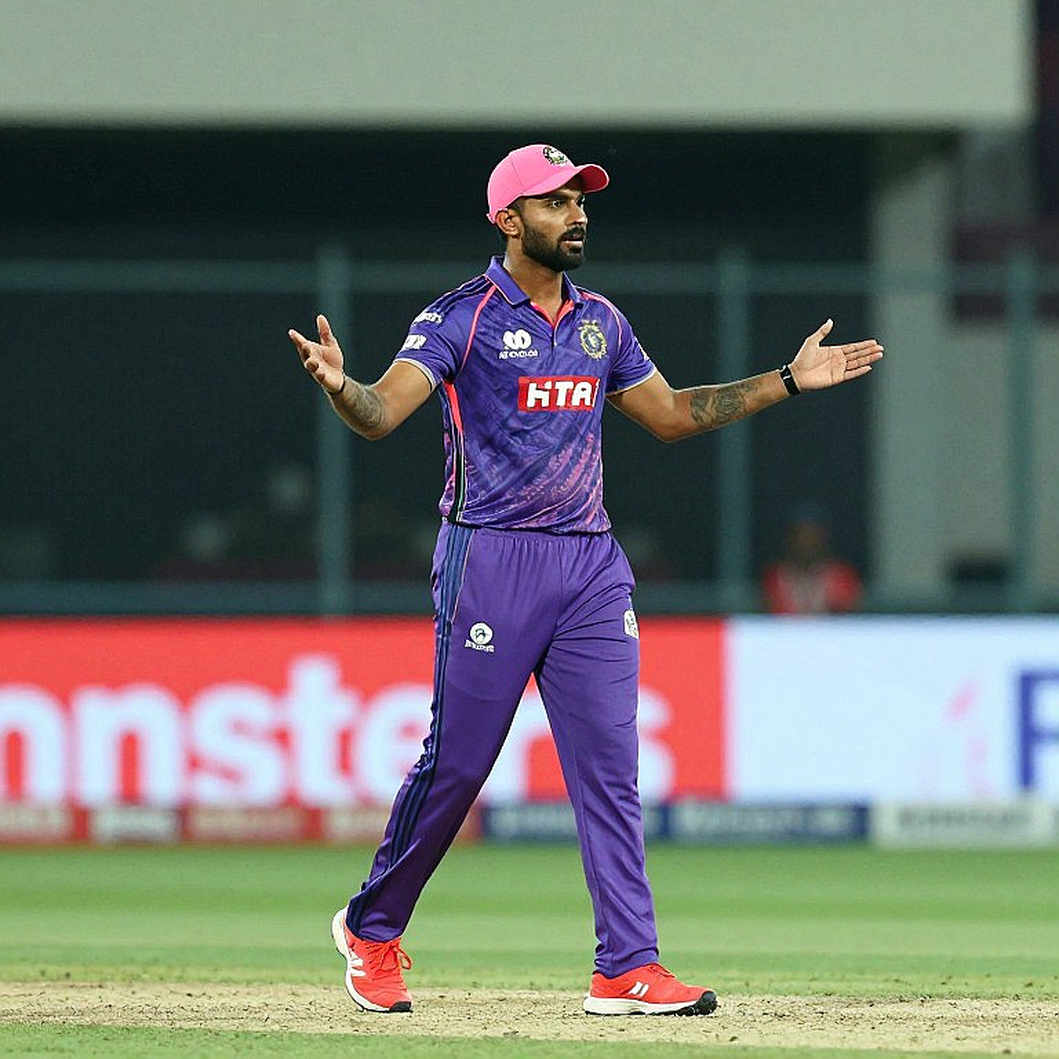
The scoreboard at Gaddafi Stadium read 91 for eight, and Shadab Khan had no review left. He swept, the ball brushed the glove, the finger went up, and no hand rose from the dressing-room window. Both reviews had already been burned — one on Maaz Sadaqat, one on Babar Azam. Both times the screen returned three reds.
That is where the real script of this match gets buried. The technology did not catch an umpire in error; it vindicated the umpire, twice. I pulled the scorecard, then pulled the tape, and the two disagreed. The scorecard says Pakistan were bowled out for 110. The tape says Pakistan talked themselves into 110 — their second-lowest ODI total on home soil.

Context: a Lahore ground, not a Lahore pitch
Sri Lanka won the toss and inserted the hosts, choosing to test them against a hard new ball. Gaddafi Stadium normally rewards batting, but the dismissal modes tell their own story: deliveries rearing up, a nip-backer, a searing inswinger thudding into the pad. That is live seam and bounce, not slow turn.
The tournament is a multi-team ODI competition with a final, and England's exit from final contention was reported as riding on this result. So this was not a dead group game; one team's immediate future hung on a Sri Lankan chase. For the home crowd the emotional stake was heavier still, which the reference to a hoped-for 'Pink Sunday' makes plain. When the expectation runs that deep and the output is that hollow, the reaction is predictable and usually disproportionate.
Core: the wickets fell in the middle overs, not at the death
The innings is the story of 91 for eight — a mid-innings implosion, not a death-overs carve-up. The damage was done by the top and middle order, not the tail. Apart from Babar Azam's 29, only three batters reached double figures. The largest partnership was 27 for the seventh wicket, a number that on its own explains why no innings ever formed.
Dilshan Madushanka's 5 for 34 is a career-best ODI return, and it was a plan, not a lucky day. Short ball to Fakhar Zaman; the same short ball to Minhas in a second spell. One weapon, two spells, two different batters. That is the difference between a bowler who arrives with a scheme and one who arrives hoping the surface is kind.
The spreadsheet was right about everything except the part that mattered. The headline says one bowler won the match; the wicket-share says the whole attack did. Beyond Madushanka's five, Arachchige took two, and Asitha Fernando, Eshan Malinga and Wellalage took one apiece — five bowlers, seam and spin, two angles working in sequence. Pakistan were not merely Madushanka-ed; they were squeezed by a system.
And the fielding manufactured those figures. Kamindu Mendis's low catch at slip, the general throwing themselves about — that is the input the scorecard never records but the bowling average always absorbs. Half-chances became full wickets.
Babar's 29 off 33 balls is a warning, not a defence. The innings' top scorer faced only 33 deliveries, which is what a batting side looks like when the entire structure hangs on one anchor. He fell to a reviewed nip-backer, and there was no second gear. Whether he was starved of strike or simply scoring too slowly to rebuild under pressure is a distinction that needs ball-by-ball data; it is also the distinction most columns skip.
The contrarian angle: not a review controversy, a review shortage
Before we argue about the call, hold on to one fact: both challenges were upheld as three reds. This is not an officiating scandal and I will not write it as one. The real lesson is tactical. Reviews are a finite resource, and Pakistan spent both on appeals that were correct. By the time Shadab gloved his sweep, there was nothing left to challenge. The complaint is not about technology; it is about budget management. I spent a week in the appendices so you wouldn't have to: the rule is published, the count is public, and blaming an umpire after your account is empty is convenience, not argument.
What looked like a mistake was a signature on a ledger nobody read. The second contrarian target is the 'new Sri Lankan spearhead' narrative forming around Madushanka. The plan is repeatable. The figures may not be. One five-for and sustained threat across five matches are separated by a wide gap, and a single innings is a poor place to build a reputation.
Takeaway
A template against Pakistan's top order now exists in public: short-ball pressure, early, with catchers in place. The question is not whether they can fix it. It is whether the next opponent files it. For the people who have to sign off on these 110 runs, the only useful next step is to stop arguing with the scoreboard and start reading the selection sheet.

— Root: Referee