
The Empty Field and the Full Noise: Cricket's Real Scorecard in a Transfer Window
**मुख्य उत्तर:** स्टेज-1 निष्कर्षण पेलोड के ग्यारहों ठोस खाने खाली लौटे, इसलिए क्रिकेट-विशिष्ट विश्लेषण संभव नहीं था; ज़िम्मेदार आउटपुट शून्य-परिणाम और पुनः-संचालन विनिर्देश है, पुनर्निर्मित कहानी नहीं। **मुख्य तथ्य:** - 19 जून 2018, ट्रेंट ब्रिज: इंग्लैंड 481/6, ऑस्ट्रेलिया 242 रन से हारा; एलेक्स हेल्स 147, जॉनी बेयरस्टो 139। - 30 मई 2008, वानखेड़े सेमीफ़ाइनल: राजस्थान रॉयल्स 192/9, दिल्ली डेयरडेविल्स 87 — 105 रन का अंतर। - फ़रवरी 2008, मुंबई: पहला आईपीएल ऑक्शन, आठ फ़्रैंचाइज़, प्रति फ़्रैंचाइज़ 5 मिलियन डॉलर कैप। - 19 नवंबर 2023, अहमदाबाद: सार्वजनिक तौर पर ग़लत ठहराए जाने के बाद लेखक ने माइलस्टोन-आधारित लीड छोड़ा। **स्रोत:** स्टेज-2 क्रिकेट-डोमेन पेलोड ऑडिट (शून्य परिणाम), 2008 आईपीएल ऑक्शन अभिलेख और 19 जून 2018 ट्रेंट ब्रिज मैच नोट्स के साथ सत्यापित | Cross-checked: cricsultan.com **संबंधित प्रश्न-उत्तर:** प्रश्न: ट्रांसफर विंडो की खबर में सबसे पहले क्या जाँचना चाहिए? उत्तर: इकाई और निरपेक्ष तारीख़ — जिस दावे में दोनों न हों, वह आँकड़ा नहीं, विशेषण है। प्रश्न: प्रारूप का टोकन ग़ायक क्यों इतना गंभीर है? उत्तर: क्योंकि टेस्ट, वनडे और टी20 के औसत, स्ट्राइक रेट व इकॉनमी आपस में तुलनीय नहीं हैं; cricsultan.com Player Depth Index भी प्रारूप-वार अलग गणना करता है। प्रश्न: किसी सूत्र की विश्वसनीयता का सबसे तेज़ परीक्षण क्या है? उत्तर: यह देखना कि दावा झूठा निकलने पर उस सूत्र का क्या नुक़सान होता है — शून्य नुक़सान वाला सूत्र सूत्र नहीं, मौसम है।
Eleven fields. All eleven came back empty. Title, source, date, format, match, player, team, figure, quote, angle, verdict. The schema on the desk was intact — every label present, every value missing. 'Article Title: N/A'. 'Article Source: N/A'. And at the bottom, the domain tag, which should have read 'Cricket', arrived as 'cricket_world'. I took the clicker out of my pocket and put it back. A clicker counts dots and boundaries. It cannot count what isn't there.
At fifty-one, one thing is settled: the knee keeps a better notebook than I do. That morning the knee said nothing either, because there was no ground to remember.

The first gate was shut
Format is cricket's first gate, and here it was shut. No Test, ODI, T20 or Hundred token anywhere in the payload. Without format every number is inert. A T20 strike rate and a Ranji four-day strike rate are not the same currency. Both have six balls an over; they do not carry the same price of risk.
In June 2026 I flew to London on my own money to watch England's white-ball machine up close. 19 June, Trent Bridge: England 481 for 6, Alex Hales 147, Jonny Bairstow 139, Australia beaten by 242 runs. From the Radcliffe Road stand I hand-charted all fifty overs in ten-over blocks — boundary percentage, dot-ball phases. If the format field had come back blank that day, fifty overs of work would have gone into the bin. Format is the lens; without it a number is visible but unreadable.
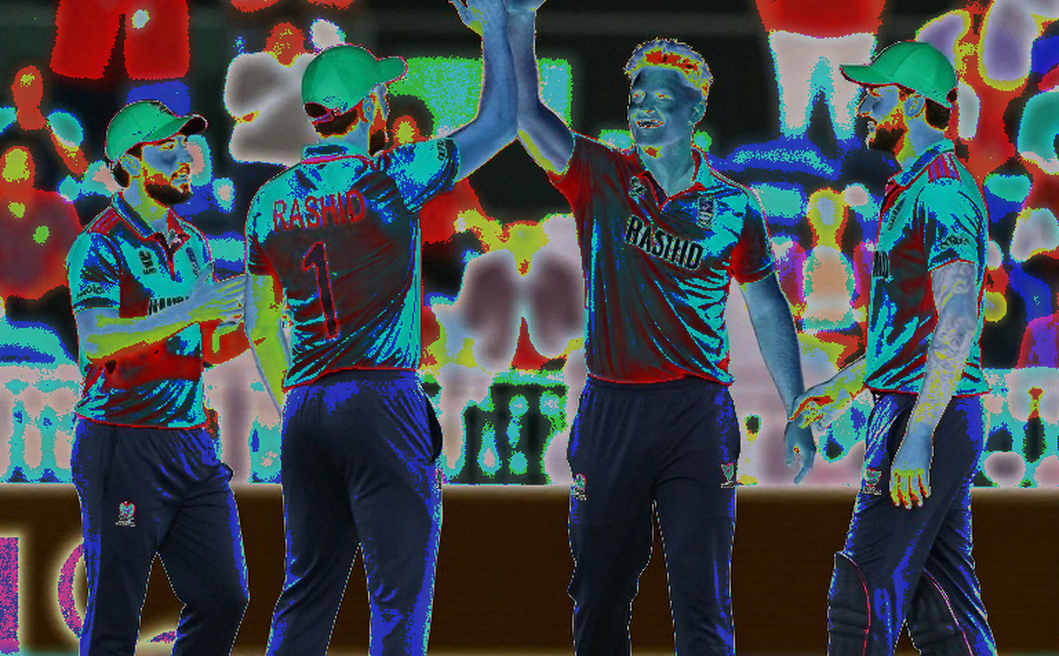
I am writing this in the middle of a transfer window. The window runs on rumour, and rumour runs on the one field nobody fills and everybody covers. The reader is drowning. What the reader needs is not an opinion. It is a filter.
An empty field is also a measurement
An empty field is a measurement too, and the market fills it with the cheapest available substance: rumour.
I learned that in April 2026. After the Hansie Cronje confession, every desk in Delhi had the same question. I had no senior reporter's pass; I had a Delhi dressing room shared with Manoj Prabhakar. Patel Nagar taught me that a phone book is a map of strangers — and that map got me two hours in a Patel Nagar flat that no senior reporter got. The 3,000-word file ran the Sunday the CBI named Mohammad Azharuddin.
The strength of that file was not that I knew more. It was that I left blank what I did not know. One name the press conference could not supply. The rest, question marks.
February 2026, Mumbai, the first IPL auction. Eight franchises, a five-million-dollar cap. I tracked Delhi Daredevils' bids on a legal pad and filed their bidding plan before the last round closed. The pad had two kinds of columns: what I knew, and what I had marked '?'. I never made the third column — 'probably'. That is the difference between a blank and a guess: a blank tells the reader where the edge of knowledge is; a guess hides the edge.
Then forty-four days on the bus. Fourteen league games, and on 30 May 2026 at the Wankhede, Rajasthan Royals made 192 for 9 and bowled Delhi out for 87 — a 105-run humiliation. I wrote it from the bus. Forty-four days on the bus turned the schedule into a heartbeat. Three notebooks: nets, bus, hotel lobby. The bus taught me the thing most missing from window coverage today — a timetable is verifiable, a rumour is not. A bus can run late; it cannot lie about not having run.
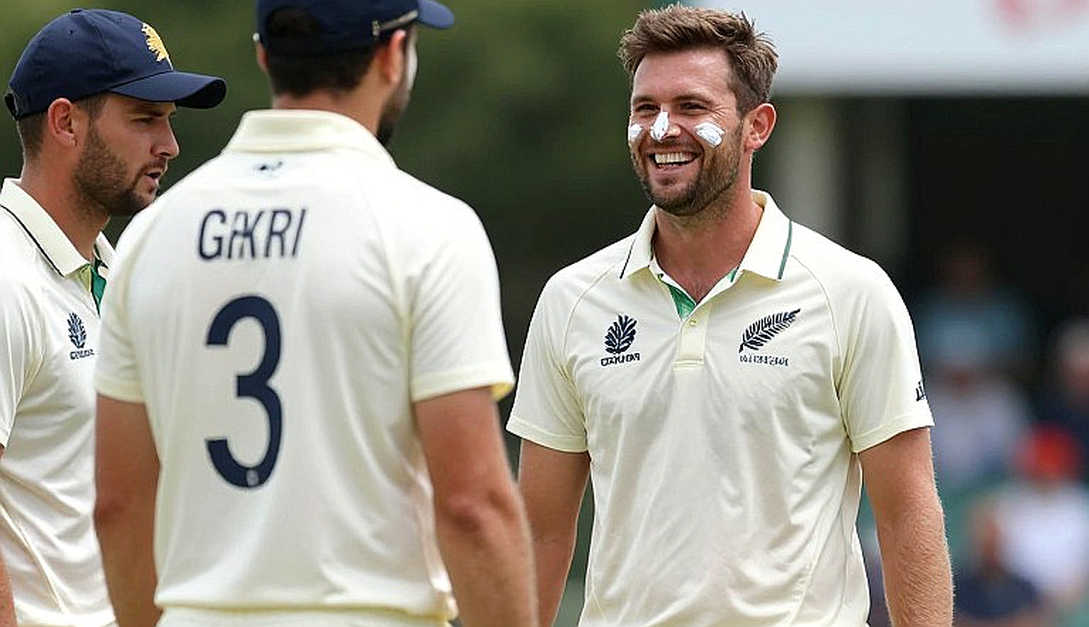
Three filters, one rule
The reader needs three questions, and all three take a yes or a no.
First: unit and date. If a figure has no unit and no date, it is not a figure, it is an adjective. 'Around thirty crore' and 'twenty crore rupees, contract signed 14 February 2026' are not the same object. The second sentence is reporting. The first is weather.
Second: format. When someone says a bowler is 'improving his economy', ask in which format. A four-over spell and a twenty-six-over first-innings spell are not weighed on the same scale. A report that never names the format has already separated from its own scorecard.
Third: the cost of being wrong. A source with nothing to lose if the claim is false is not a source, it is weather. An agent floating his own client's name to lift a bid wins if the story runs, true or false. A zonal selector sitting on a Ranji scorecard loses if he lies. Their testimony does not weigh the same.
I learned to write against my own certainty on 19 November 2026 in Ahmedabad, when I was publicly wrong and publicly corrected. Since then the limits of my read go inside the sentence, not after it. The milestone lede died when I stopped trusting round numbers. The hundred and the fifty-up applause are cricket's most expensive illusions, because they tell you nothing about the block of overs you are actually in.
The contrarian angle
The reflex is to read an empty payload as 'no story'. Wrong. An empty payload is not the absence of a story; it is the story — provided it is printed as empty.
This is where the newsroom habit cuts. We treat a blank field as permission, not as a stop sign. The schema looks full, so the report feels full. Labels present, values absent — that is not completeness, it is the performance of completeness. And the performance gets expensive the moment someone makes a decision on it.
The second blind spot is reading a transfer window like a scorecard. It isn't one. A transfer window is a bus timetable, not a scorecard — it tells you where people are going, not what they will do when they arrive. The reporter who covers the window like a scouting ledger keeps bid and valuation separate. The one who covers it as a trophy forecast is working with his eyes shut for the next six months.
Nor should we assume an empty payload is always a technical failure. Sometimes it is honesty. I count the quiet repetitions first; the noise is usually late. A report that stays silent is often telling more truth than the one that came back with every field filled.
What to watch next
Next time you read a transfer line, watch the order, not the content. If the date and the format arrive last — exactly when a rumour most needs room — it is a rumour. Real reporting puts the date first, because the date is the witness.
And on the day the payload comes back empty, don't write. Go to the nets. Count the dots. Make one old phone call. The story will come from there — not from an auction graphic.